Building Belonging: How Avocados Impact Is Rewriting the Story for Care-Experienced People

Avocados Impact, founded in 2020 by independent social worker Rachael and care-experienced Katie, provides independent rights advice and community support to make life fairer and more empowering for care-experienced people.
The change we want to see is that young care-experienced people and adults know their rights and entitlements, and have the confidence and voice that are often lost in bureaucratic systems.
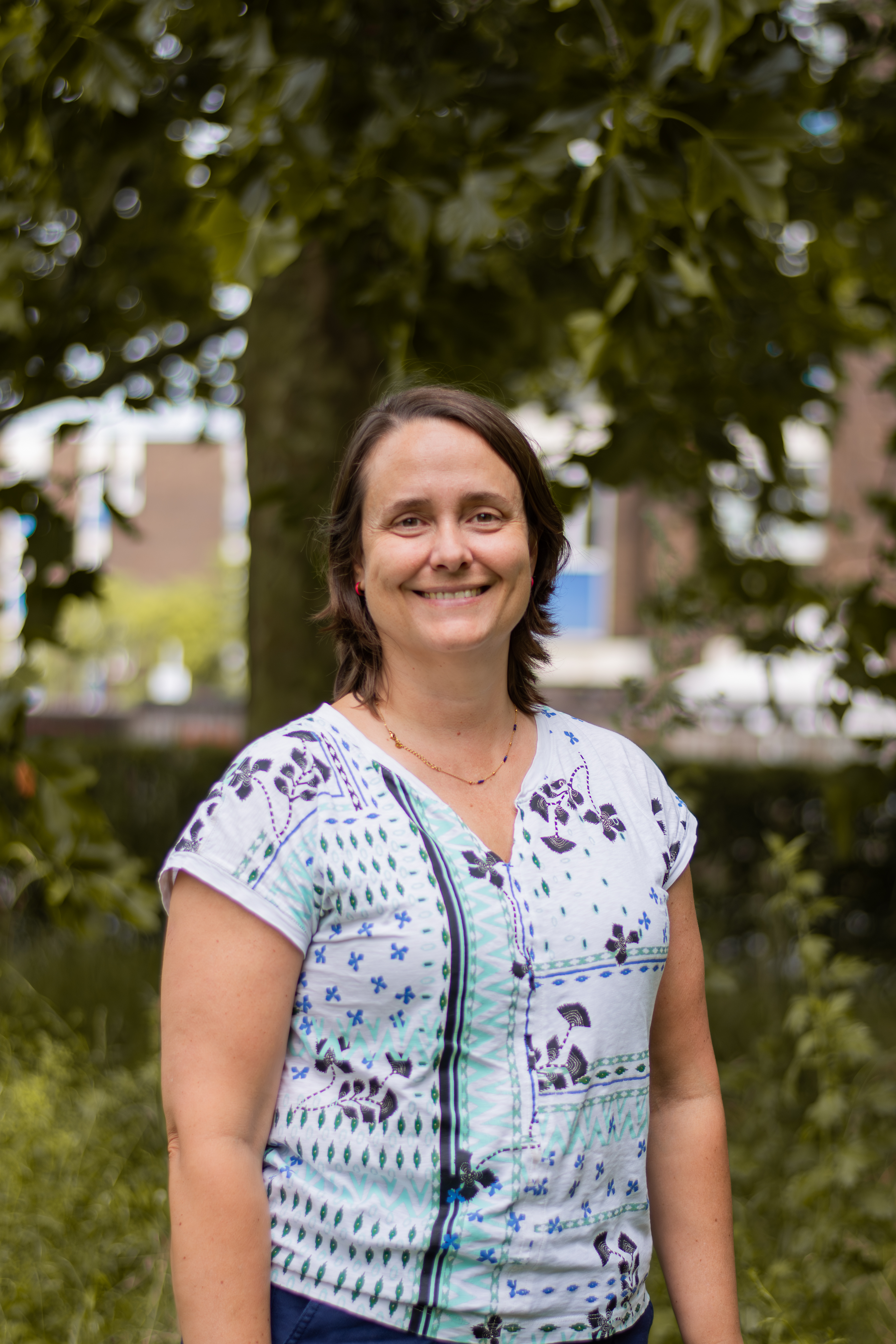
Katie
Co- founder of Avocados Impact

“We also want to create a community of lifelong connections, because I don’t believe people should do life on their own. Alongside that, we want to challenge systemic inequalities that make it harder for care-experienced people to thrive.” 

That commitment to community runs through everything they do, from supportive legal advocacy to casual karaoke nights. “Our work is very relationship-based; we believe in connecting people and building trust. That relational approach supports our community work because it all links together,” says Rachael.

Avocado's work falls into three pillars: Advocacy and Legal Support, Community and Belonging, and Convening and Influencing.

The first pillar, Advocacy and Legal Support, is delivered through their Rights Advice Service, run in partnership with university law clinics and law firms. It helps care-experienced people to navigate systems within care settings, from benefits and housing to rights. 

“We do this by advocating for and empowering young people,” says Katie, “helping them challenge, stand up, speak out, or support others when it comes to their rights and entitlements.” Alongside this, Avocados provides crisis grants and essential equipment, such as educational laptops, helping people meet immediate needs while building long-term independence.

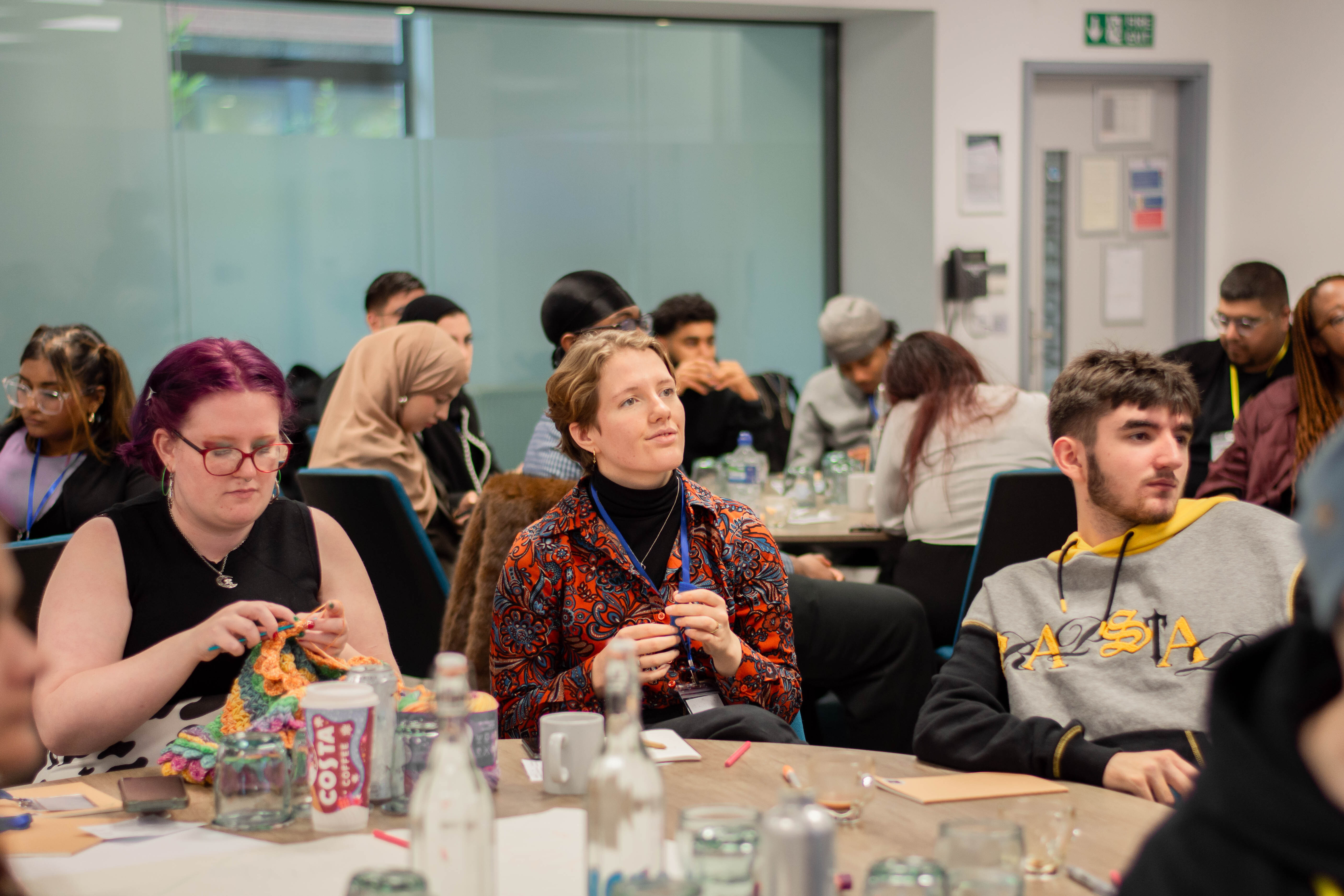
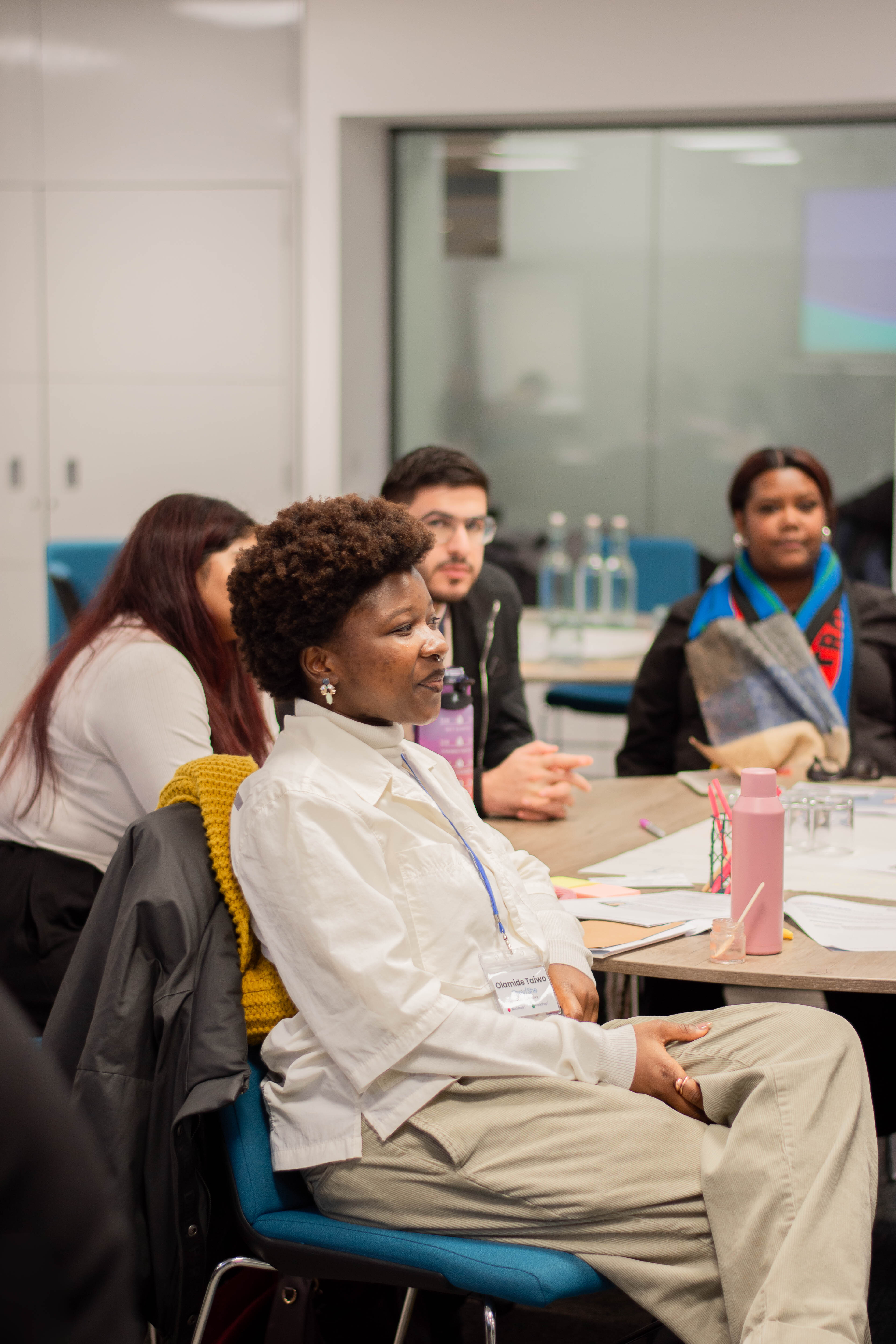
The second pillar, Community and Belonging, focuses on connection. At their Exeter Hub, they host fortnightly drop-ins, monthly human rights sessions, and creative activities designed by the community itself. They also collaborate with local participation teams to run trips and events across Devon. Katie says these gatherings are intentionally low-pressure: “You’re welcome to join in or just come along to hang out and have a chat.”

The final pillar, Convening and Influencing, brings together care-experienced people, carers, and professionals to share learning and challenge injustice. Through training and consultancy, Avocados delivers sessions written and led by care-experienced facilitators, helping professionals build awareness and confidence in their practice. 

We partner with legal professionals, universities, local authorities, and other organisations to share knowledge, challenge what isn’t right, and promote good practice.
Rachael
Co- founder of Avocados Impact
At Avocados, they’ve built an internal model that reflects equality between lived and professional expertise, which they see as a real strength

“Our organisation is made up of people with lived experience of the care system, alongside those with professional experience in related areas like social work and law,” says Katie. “That mix puts us in a unique position.” 

Within this model, Rachel says they work to ensure that the care-experienced community they serve are front and centre. “Our young people have real ownership of Avocados. It’s their organisation as much as it’s ours. 

We merge our lived-experience board and professional board so they work together. For example, during strategy days, both groups meet because we don’t want professionals to be seen as ‘above’ anyone else.” 

When Avocados joined the Pathways Fund, the team was working from a tiny shared office in Paignton — far from many of the young people they supported. “Securing the Pathways Fund meant we could move into our own space in Exeter — much more central and accessible,” says Rachel. “That made a huge difference. More young people could reach us, and we could host meetings with professionals and partners in a proper space of our own.” 

“It also gave us stability,” Katie reflects. “Having core funding meant we could keep going and build consistency. It helped cover staff costs and allowed us to focus on developing our work across Devon.” 

Initially, they hoped to employ care-experienced young people, but soon realised they needed stronger foundations first. “We needed to secure our systems and support structures so that we could offer meaningful, sustainable roles later.” The Pathways Fund gave them the room they needed to build those systems and plan long-term.

Their definition of growth has changed since then. Rachel reflects, “In the first few years, growth meant expanding what we offered — reaching more people, growing partnerships, building our presence. Now, it’s about capacity and sustainability. We’ve learned what we didn’t know — like how to manage finances properly, how to use financial storytelling, and how important good systems and marketing are.”