Our approach

At Blagrave we put the empowerment of young people at the heart of our work.

The young people we're here for

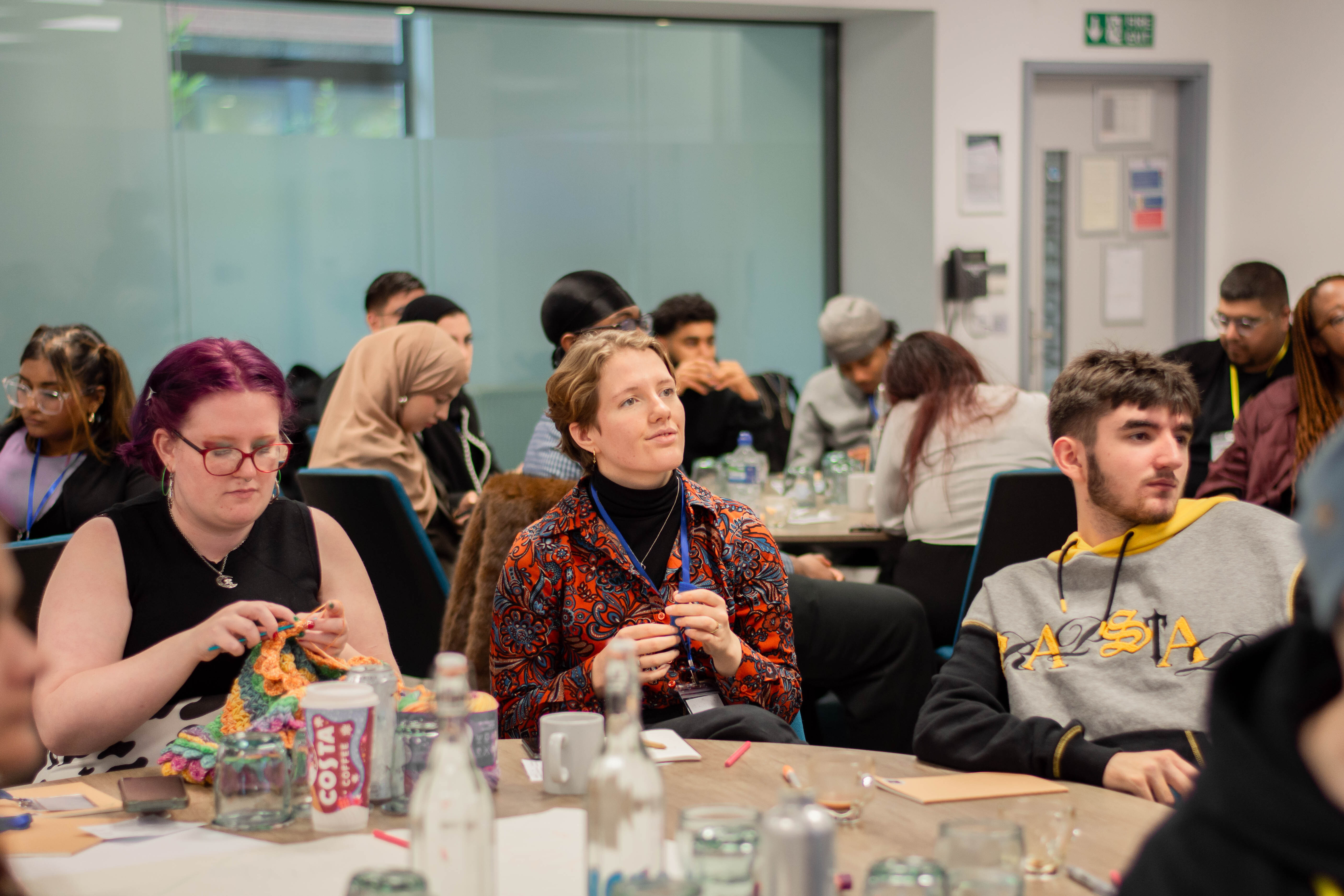
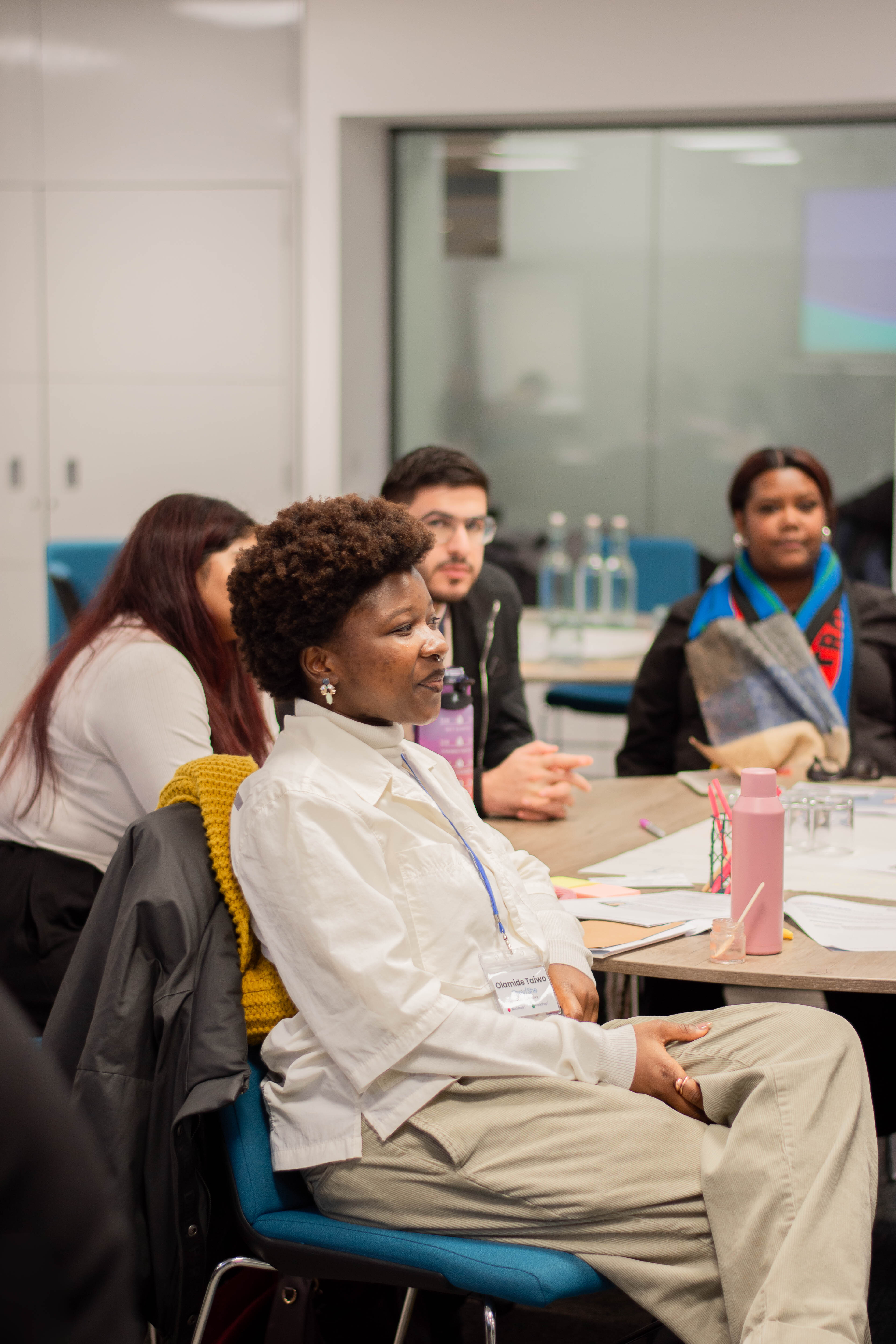
Blagrave supports young people aged 16 to 30 who face deep-rooted inequality — and are working to create change.

We believe young people understand the problems they face — and have the creativity and courage to lead solutions.

Young people are at the centre of this work, but change doesn’t happen alone. It takes families, peers, and organisations who walk alongside them — and communities that share responsibility and decision-making. That’s why we support intergenerational change: working across age groups to share wisdom, build solidarity, and create a fairer future together.

Our strategy is called Leading with Hope because we believe in young people’s ability to build better futures - for themselves and for generations to come.

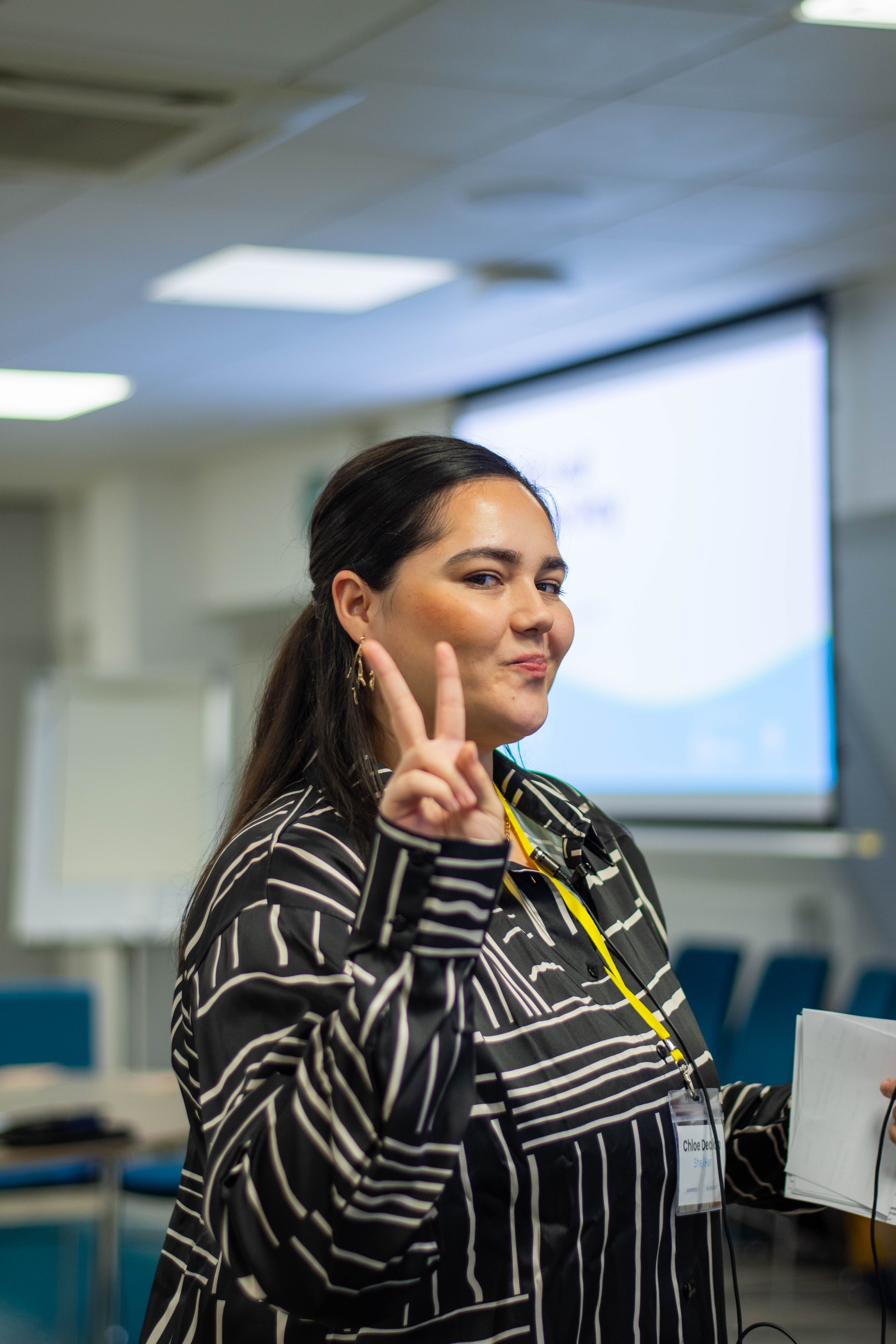
We hold a responsibility to future generations — investing in young people, organisations and buildings to enable positive change that stands the test of time.
Eli Manderson Evans
CEO

Our guiding principles

All of our work is guided by these six principles.

We will build relationships – connecting with people, organisations, and communities. We will listen deeply and remain conscious of how we use our resources and influence.  

We are leading with hope and humility. We will get some things wrong – despite good intentions and careful planning. We're committed to learning, acknowledging mistakes when they occur, and addressing them. We will share our learning openly and maintain clear processes for how decisions are made. 

We are committed to youth-led change, intergenerational collaboration, and community empowerment and infrastructure-building. We will support structures that allow community assets to be locally accountable, well-stewarded and sustained for the long-term benefit of young people and their communities. 

Actively challenging racism and all forms of discrimination, bias, or barriers that unfairly exclude people—including ableism, sexism, classism, homophobia, transphobia, and more. This means not just avoiding exclusion, but proactively working to foster a more fair and equal society for everyone. Click here to read our full commitment to anti-racism and anti-oppression 

Making decisions that consider long-term outcomes for future generations and the planet. This includes climate action, sustainable investment, and intergenerational fairness. The decisions we make today echo into tomorrow. Click here for our full climate commitment.  

Our Commitments

These commitments articulate the expectations we hold for ourselves – staff, trustees, partners, and collaborators. They are not just aspirational statements; they shape our daily actions and decisions. We expect all individuals connected to our work to implement these principles in practice, ensuring that they are reflected consistently in how we show up, share decision-making, and serve the communities we are here for.
Champion

Young people and communities as leaders of change, recognising their expertise and supporting them with care and humility  

Communicate

Clearly and honestly, creating space for feedback and taking responsibility when things go wrong 

Challenge

Oppressive systems by shifting power and resources into community hands and ensuring young people help shape decisions  

Collaborate

Bringing partners together, sharing learning, and standing alongside communities working for a more just future 

Champion

We champion young people and communities as leaders of change, recognising their expertise and supporting them with care and humility.


Why: Those most affected by inequities are best placed to lead solutions. 

How: Value lived, learned, and practised expertise; strive for knowledge equity; act with humility and openness to learning. 

What this means in practice: We champion the young people we exist for and their communities as pioneers of solutions. Our role is to provide resources, absorb risk where possible, share expertise, and support them as they lead. 

We respect all forms of expertise, particularly those historically undervalued, and include them in decision-making.  

We believe that growth comes from understanding our limitations and learning from others. We approach our work with humility, and we do not claim to have all the answers. We recognise what we know and acknowledge what we still need to learn. 

Communicate

We communicate clearly and honestly, creating space for feedback and taking responsibility when things go wrong. 


Why: Transparency and intentional communication build trust and accountability. 

How: Listen to understand, act with purpose, communicate openly and inclusively, and foster feedback. 

What this means in practice:  We believe that good communication is the cornerstone of strong, trusting relationships – the very foundation on which meaningful change is built. 

We listen to understand and act with purpose. We aim to use our resources, influence and position to support meaningful change, working in ways that are neither extractive nor tokenistic. We take responsibility for any misalignment we may unintentionally cause and are committed to continuous learning and improvement.  

We are currently undergoing a period of transition, and our work is emerging. We are constantly learning and evolving to meet the rapidly changing external environment. This means that we will not always know the parameters of our work, which may shift regularly, but we aim to: communicate as openly and transparently as possible; make our communications as accessible and inclusive as possible; foster a culture of feedback and reflection to strengthen our work; and communicate with care.  

Centre

We centre empowerment of young people by shifting resources and building the infrastructure they need to shape decisions, work across generations, and lead lasting change in their communities. 


Why: Philanthropy must address systemic inequities, not reinforce them. 

How: Critically examine our role and take steps to empower young people through funding, investments, and internal practices. 

What this means in practice:  We recognise the influence we hold as a funder. We examine how we may contribute to structural inequalities and intentionally work to dismantle them – for example, through our funding practices, investments, financial stewardship, partnerships, and internal practices. 

We work towards a world where care is central, anti-oppression is foundational, and all our assets are used in service of our vision and mission. 

We create spaces where young people and diverse voices lead, shape decisions, and drive change. 

Collaborate

We collaborate, bringing partners together, sharing learning, and standing alongside communities working for a fairer future. 


Why: Collective action amplifies impact and strengthens shared initiatives. 

How: Work with mission-aligned partners, share learning, and create spaces for solidarity. 

What this means in practice: Collaboration can be challenging, but it is essential for meaningful, lasting change. We partner with mission-aligned organisations and operate in ways that reflect the change we seek. By exchanging knowledge and resources, and by influencing and being influenced, we amplify collective efforts and strengthen impact. 

We stand in solidarity with young people and their communities, supporting actions that address systemic barriers and build a fairer, more equitable world. We create spaces for partners to connect, share, and grow.